If you have ever spent time around Dominicans, you have probably heard a few words that made you stop and think, “Wait, what does that mean?”
Dominican Spanish has a rhythm of its own. We speak fast, shorten words, drop letters, mix in English, and somehow manage to turn one word into five different meanings depending on how it is said. You can know plenty of textbook Spanish and still feel completely lost when two Dominicans start talking at full speed.
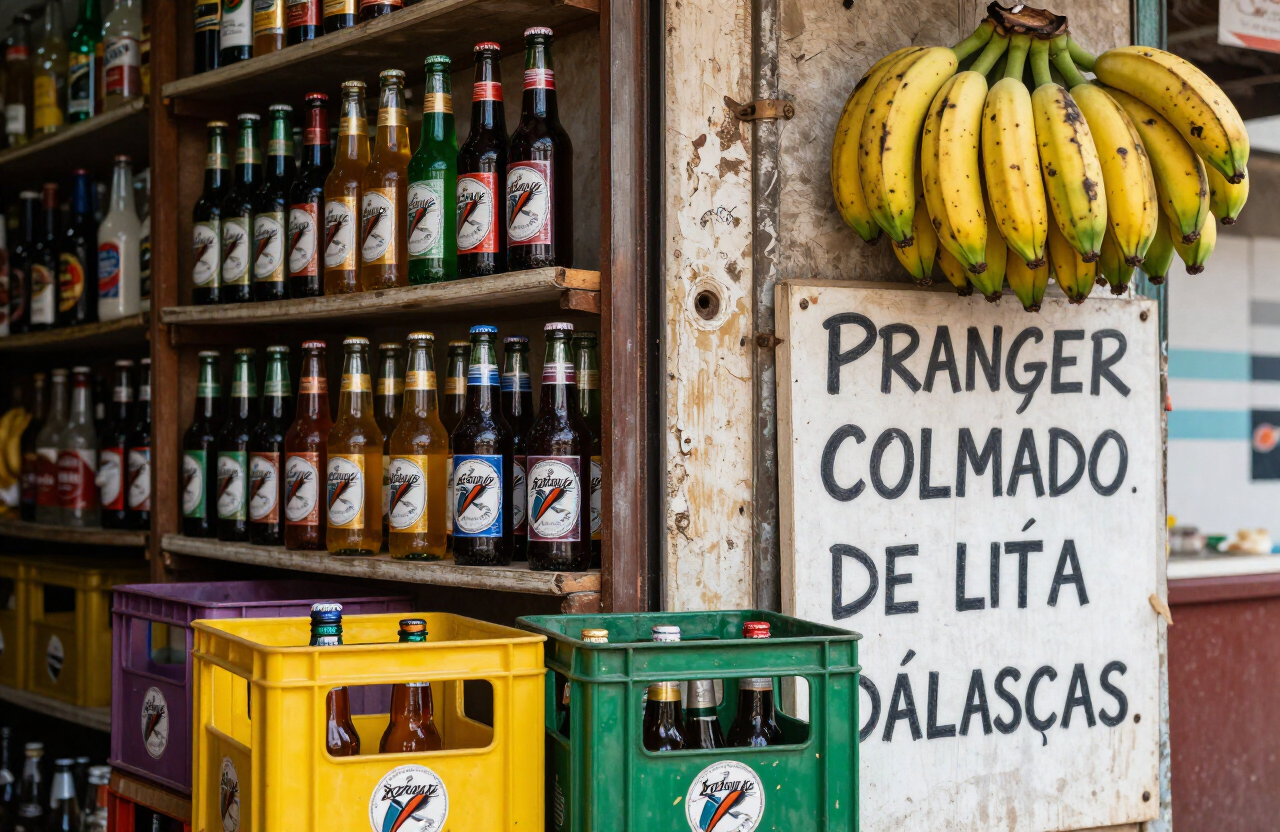
That is because there is Dominican Spanish, and then there is the Spanish you hear in the colmado, on the corner, in a WhatsApp voice note, or when your Dominican auntie starts telling you a story and gets going a little too fast.
If you are just getting familiar with Dominican slang, these are some of the words and expressions you will hear all the time.
Klk
Let’s start with one of the most recognizable Dominican greetings: klk.
It comes from “¿qué lo que?” and basically means “what’s up?” or “what’s going on?” You will see it written everywhere, especially in texts and messages. You might also hear someone say “¿qué lo que?” out loud.
A simple “klk” can be a greeting all by itself.
You can answer with “aquí, en la lucha,” which literally means “here, in the struggle,” but is more like saying you are out here doing your thing, working, and getting through life.
So if somebody says:
“klk, ¿cómo tú tá?”
You can hit them with:
“aquí, en la lucha.”
Now you are getting somewhere.
Tíguere
Tíguere is one of those Dominican words that is hard to translate with just one English word.
A tíguere is street-smart, clever, resourceful, and knows how to move. Depending on the situation and the tone, it can be a compliment or a warning.
If someone tells you, “Ese tipo es un tíguere,” they might mean the guy is sharp and knows what he is doing.
But if they say, “Ojo con ese tíguere,” that is a different story. Now they are telling you to watch yourself because this person knows how to play the game.
Being a tíguere is not necessarily a bad thing. In Dominican culture, being able to figure things out, hustle, negotiate, and handle yourself is often respected.
Vaina
If there is one Dominican word you need to learn, it is vaina.
Vaina can mean almost anything.
A thing? Vaina.
A situation? Vaina.
A problem? Vaina.
Something you forgot the name of? Definitely vaina.
You could say, “Pásame esa vaina,” and somehow everyone knows exactly what you mean, even though you never actually said what “that thing” is.
You might also hear “¿qué vaina?” when someone is confused or annoyed, or “qué vaina más grande” when something has become a whole situation.
The meaning really depends on the sentence, the tone, and what is happening around you.
Un chin
Un chin means a little bit.
“Échame un chin más.”
Give me a little more.
“Espera un chin.”
Wait a little bit.
“Dame un chin de eso.”
Give me a little bit of that.
It is one of those expressions that slips naturally into everyday conversation, and you will hear it constantly.
Dar break
Dar break is another very Dominican expression. It generally means to give someone a chance, an opportunity, or a little space, depending on the context.
You might hear someone say, “Dame un break,” meaning “give me a second” or “give me a chance.”
It is also common to hear “dale un break,” telling someone to give another person a little time or space.
Like a lot of Dominican slang, the exact meaning depends on the situation.
Tato
Tato is basically the Dominican way of saying “okay,” “alright,” or “cool.”
Someone tells you, “Nos vemos a las ocho.”
“Tato.”
Conversation over.
It is short, casual, and you will hear it everywhere.
You might also hear “tato, tato” when someone wants to confirm that everything is understood and settled.
Jevi
If something is jevi, it is cool, great, or awesome.
“Ese sitio está jevi.”
That place is really cool.
“Qué jevi quedó eso.”
That came out great.
It is a very casual word, so you are much more likely to hear it in everyday conversation than in formal Spanish.
Why Dominican spanish sounds so different
Once you start learning Dominican slang, you will also notice that it is not just about vocabulary. Dominicans have a very particular way of speaking.
Words get shortened, sounds disappear, and entire phrases can come out so quickly that someone learning Spanish might wonder where half the sentence went.
And then there is the Dominican habit of mixing English into everyday Spanish. Words like “chequear,” “parquear,” and “guachimán” have become part of the way many Dominicans speak, along with countless other expressions.
The slang also changes. Some words that were everywhere years ago might sound old-fashioned to younger Dominicans, while new expressions and phrases are constantly popping up.
That is why Dominican Spanish is so fun to learn. You can study all the grammar you want, but some of the best lessons happen sitting around a table, hanging out at a colmado, listening to your Dominican friends talk, and slowly figuring out what everybody means.
And don’t worry if you do not understand everything at first.
Even Dominicans sometimes need a second to figure out what another Dominican means.
Start with klk, tíguere, vaina, un chin, dar break, tato, and jevi, and you will at least have a few words in your back pocket the next time you find yourself in a Dominican conversation.
Just remember: with Dominican slang, how you say it can be just as important as what you say.