A colmado is technically a corner store, but that description barely scratches the surface.
It’s the neighborhood bank (ask nicely and you might be able to buy on credit), the last-minute grocery stop, the place that delivers a bag of ice to your front door on a motorcycle, the ice-cold beer stop after work, and the loudest speaker system on the block. Somehow, all of that fits inside a storefront that’s barely bigger than a living room.
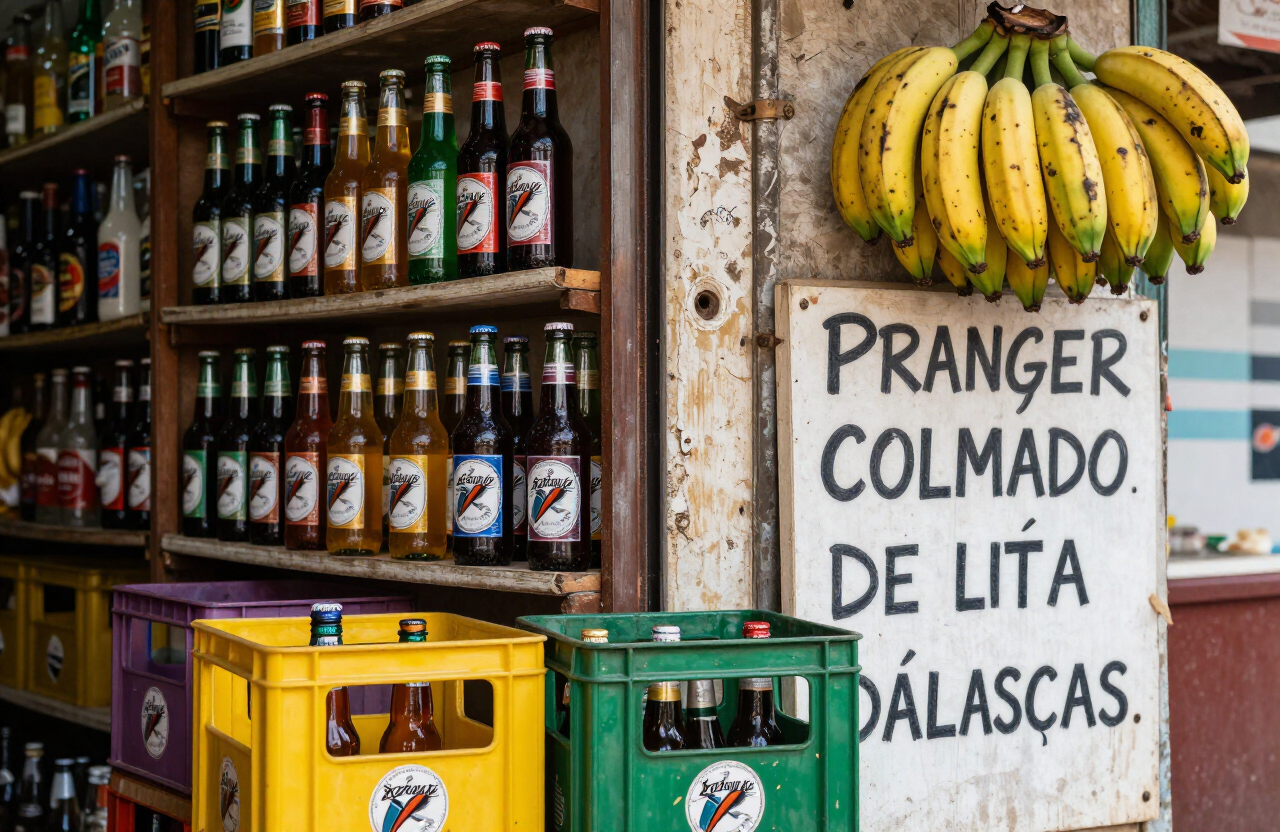
Walk into almost any Dominican neighborhood and you’ll find one within a few blocks. Some are no bigger than a one-car garage, yet they’re packed floor to ceiling with everything from rice and beans to toothpaste, phone chargers, canned milk, and Presidente beer.
Need one egg instead of a dozen? No problem. A single cigarette? They sell those too. A spoonful of tomato paste? Some colmados will happily scoop it into a small plastic bag.
They sell things the way people actually shop, making everyday essentials accessible for families who aren’t filling an entire grocery cart every week.
But the products are only half the story.
As the afternoon heat begins to fade, plastic chairs appear on the sidewalk almost as if by magic. Dominoes slam against folding tables. Someone turns the bachata up just a little louder. Kids weave between the adults while neighbors stop to chat on their way home from work.
Before long, what looked like an ordinary convenience store has transformed into the neighborhood’s unofficial living room.
That’s what makes a Dominican colmado so special.
It’s one of the few places where errands and socializing happen at the same time. You might stop in for a loaf of bread and leave thirty minutes later after catching up with half the neighborhood, debating last night’s baseball game, and accepting an invitation to someone’s cookout that weekend.
If you’re visiting the Dominican Republic, there’s no faster way to get a feel for everyday life than by spending a little time at a colmado.
Buy a cold Presidente or a bottle of Malta Morena, nod hello to the domino players, and don’t be surprised if someone strikes up a conversation before you’ve even taken your first sip.
The Colmado Is the Heart of the Barrio
Every barrio has landmarks that locals know by heart. There’s the baseball field where kids spend their afternoons, the corner where motoconchos wait for passengers, the neighborhood park where families gather on weekends; and then there’s the colmado.
For generations, the colmado has been the heartbeat of Dominican neighborhoods. It’s where people stop on their walk home from work, where someone borrows a few pounds of sugar until payday, where birthdays turn into spontaneous street parties, and where everyone seems to know everyone else’s name.
Unlike supermarkets, which are designed to get you in and out as quickly as possible, a colmado almost encourages you to stay. The owner greets regular customers by name, remembers what they usually buy, and often knows exactly what they’re there for before they even ask.
In many ways, the colmado isn’t just a business. It’s part of the neighborhood’s identity.
What Can You Buy at a Dominican Colmado?
One of the most surprising things about visiting a colmado is discovering just how much fits inside such a small space.
Although inventory varies from neighborhood to neighborhood, most colmados carry things like rice, beans, pasta, flour, sugar, fresh bread, pastries, eggs and dairy products, fresh produce in smaller quantities, cooking oil and seasonings, Dominican coffee, juices, bottled water, and soft drinks, Presidente beer and other local beverages, ice, snacks and candy, household cleaning products, soap, shampoo, toothpaste, and toiletries, charcoal and propane tanks, phone credit, and mobile recharges.
Many also sell lottery tickets, cigarettes, batteries, pet food, over-the-counter medicines, and seasonal products.
Every neighborhood’s colmado reflects the needs of the people who live nearby.
The Famous Colmado Delivery Service
Perhaps one of the most beloved traditions is the colmado’s delivery service.
Need a bottle of cooking oil while making dinner?
Forgot to buy ice?
Want a cold six-pack for guests?
Instead of driving to the store, many Dominicans simply call the colmado.
Within minutes, a delivery rider (usually on a motorcycle) arrives at the door carrying exactly what was ordered.
This service existed long before grocery delivery apps became popular.
In fact, many Dominicans joke that the original food delivery service wasn’t created by Silicon Valley—it was invented by the neighborhood colmado.
The convenience, speed, and personal relationship between customers and store owners make this system remarkably efficient, especially in tightly connected communities.
Buying on Credit The Tradition of “Fiao”
One unique aspect of Dominican colmado culture is something known as fiao.
For generations, trusted customers have been able to purchase groceries on credit with the promise of paying later.
The shopkeeper often keeps a handwritten notebook recording purchases made by families throughout the neighborhood.
This system works because it is built almost entirely on trust.
While not every colmado offers credit today, especially in larger cities, the tradition remains a symbol of how closely connected neighborhood life has always been.
The relationship between customer and shop owner often goes beyond business; they know each other’s families, celebrate milestones together, and look out for one another during difficult times.
Music Dominoes and Dominican Culture
Spend enough time outside a colmado and you’ll quickly realize it’s impossible to separate it from Dominican music.
On weekends, speakers blast bachata, merengue, and salsa into the street. Friends gather around tables playing dominoes while others enjoy an ice-cold beer after work.
The atmosphere feels spontaneous but familiar. No invitation is needed. People naturally gravitate toward the colmado because it’s where life happens.
During holidays, baseball playoffs, neighborhood celebrations, or major sporting events, the energy only grows stronger.
For many Dominicans living abroad, these sounds and scenes are some of the memories they miss most.
Colmados aren’t going anywhere
Although supermarkets and large retail chains have expanded throughout the Dominican Republic, colmados continue to thrive.
Their success isn’t just about convenience. It’s about relationships.
Customers appreciate being recognized by name. Store owners know which products their regulars prefer. The service feels personal rather than transactional.
For elderly residents, people without transportation, and busy families, the neighborhood colmado remains an essential part of daily life.
In many ways, these small businesses preserve traditions that larger retailers simply cannot replace.
Visiting a Colmado as a Tourist
If you’re visiting the Dominican Republic, don’t be afraid to stop into a neighborhood colmado.
Order a cold soft drink. Try a local snack you’ve never seen before. Listen to the music. Watch a domino game. Strike up a conversation if the opportunity arises.
You’ll experience a side of the Dominican Republic that most all-inclusive resorts never show. A glimpse into everyday life where hospitality, community, and simple moments matter most.